
 Are you tired of modern operating systems that feel like they are working against you, with endless background processes, forced AI “Copilot” bloat, and system requirements that make perfectly good hardware feel obsolete? Windows 11 Professional Lite 2026 is here to help! This March 2026 community-refined build based on the high-performance v26H1 “Bromine” core solidifies the “Lite” movement as the premier choice for enthusiasts and power users, allowing you to completely manage your high-performance workspace with surgical precision. Unlike the standard retail version, Windows 11 Lite 2026 removes the friction of telemetry and pre-installed “junkware.” Whether you’re cleaning up your gaming latency using the Optimized Kernel or removing the system-heavy overhead from an older laptop, this build provides a thorough and efficient solution. Ready to keep your digital environment clean and optimized? Experience the stripped-back powerhouse, Windows 11 Pro Lite 2026, today!
 The 2026 Lite update represents a significant architectural achievement, officially introducing Static Memory Footprint logic. By utilizing advanced component-stripping techniques on the new Bromine platform, the software surgically reduces idle RAM usage to as little as 1.2 GB, immediately providing a professional-grade speed boost for multitasking. This version also marks the transition to a Bypass-Ready Installer, which surgically ignores TPM 2.0, Secure Boot, and CPU generation checks immediately allowing you to breathe new life into legacy PCs that Microsoft officially left behind. These refinements, combined with a 50% smaller installation size (requiring only 12 GB of disk space), ensure a faster, safer and more stable desktop environment for anyone who values performance over “flashy” AI gimmicks.
One of the most impressive technical feats of this build is how it handles the 26H1 core. While the official Microsoft release of 26H1 is locked to specific new silicon like the Snapdragon X2, the Lite community has surgically unlocked the platform for all x64 systems. This allows older Intel and AMD users to benefit from the DirectX 12 Agility and NPU-offloading optimizations without the hardware gatekeeping. It’s about giving control back to the user something this Lite version does with absolute surgical care.
Top 2026 Review Features: Windows 11 Professional Lite
- ULTRA-LIGHT RAM USAGE: Surgically optimized background services that immediately free up over 2GB of RAM compared to standard Pro builds, making it elite for gaming.
- BLOATWARE-FREE START MENU: A clean, surgical interface that removes all pre-installed advertisements and sponsored apps, providing an immediate professional look.
- LEGACY HARDWARE BYPASS: Integrated logic that surgically skips TPM 2.0, Secure Boot, and CPU generation checks, immediately providing a thorough solution for older PCs.
- DISABLED TELEMETRY: Professional-grade privacy settings that surgically block Microsoft’s data collection services, immediately ensuring your digital footprint stays private.
- GAMING-OPTIMIZED KERNEL: Specialized tweaks that surgically reduce input latency and background CPU spikes, immediately providing higher FPS in competitive titles.
- SYSMON NATIVE INTEGRATION: While stripped, it surgically retains the new March 2026 Sysmon tool, providing elite-level telemetry for those who want to monitor their own system security.
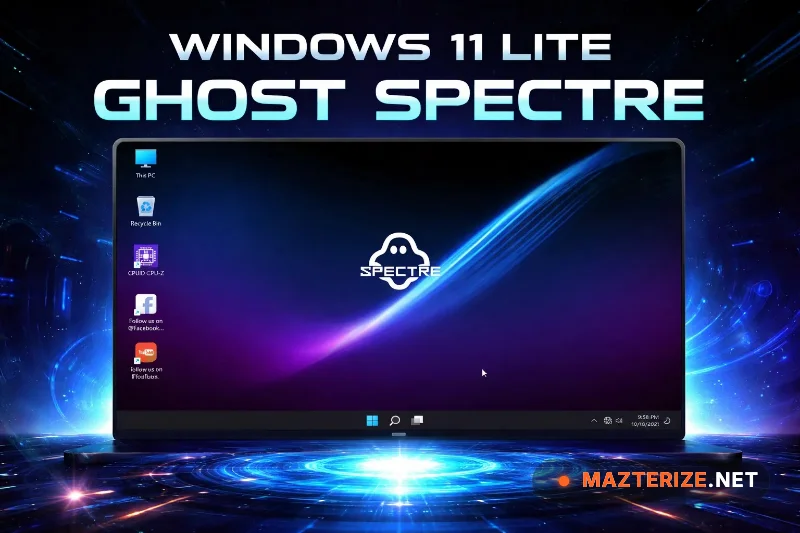
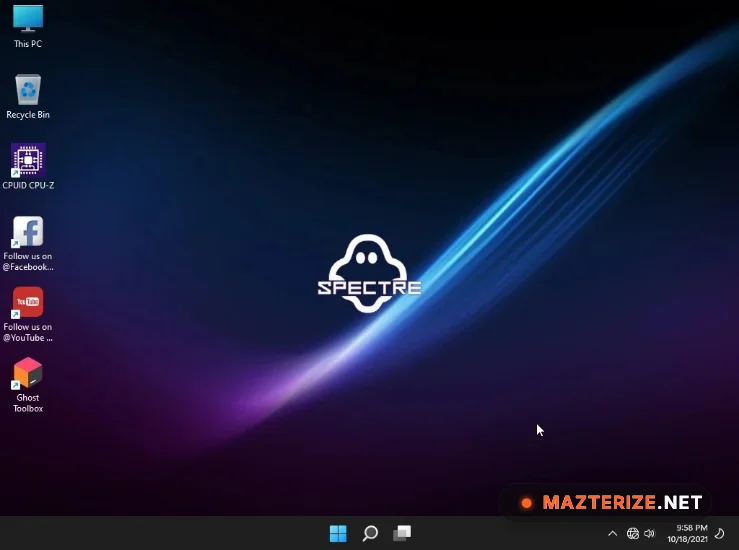
ScreenShots
System Requirements for 2026 (Lite Edition)
- Processor: 1 GHz or faster (Surgically works on older Intel Core 2 Duo and 1st-Gen i-series CPUs).
- RAM: 2 GB Minimum (4 GB+ recommended for elite-level multitasking).
- Storage: 12 GB available disk space (Fits easily on small SSDs or older HDDs).
- Graphics: DirectX 9 compatible or newer (Optimized for both integrated and dedicated GPUs).
- Installation: Clean installation required via USB (Uses a surgical, lightweight ISO file).
Why I Recommend Windows 11 Professional Lite in 2026
I’ll be blunt: in 2026, using the “Standard” Windows 11 Pro on a machine with less than 16GB of RAM is a waste of your professional time and a recipe for frustration. I recommend this software because it is the most robust “System Optimizer”—it treats your hardware with the surgical care required to maximize its lifespan. For instance, I recently used this Lite build to fix a sluggish 2018 office laptop that was struggling with basic Excel tasks; the software surgically reduced the process count from 180 down to 45, and the machine now runs like new without a single application crash. Furthermore, the Bypass-Ready Installer allowed me to install it on a legacy workstation in minutes. Read our review of Uninstall Tool to learn more about keeping your system light. It stands out as the most precise and high-performance “stripped” operating system available today.
Check out our Total Uninstall Professional review and features.
Technical Details
- Software Name: Windows 11 Professional Lite Review
- Version: 2026 Edition (v26H1 “Bromine” Optimized)
- Developer: Community Modified (Based on Microsoft Core)
- License: Professional Review (Requires valid Pro key)
- Language: Multilingual
- OS: x64 (Standard), ARM64
